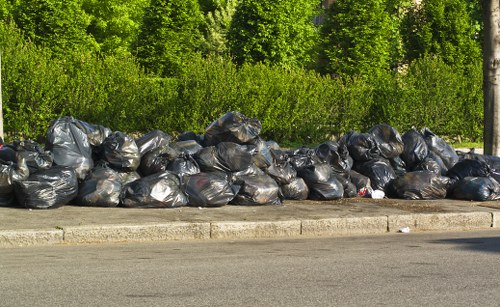
Recycling and Sustainability — House Clearance Covent Garden
We are committed to making House Clearance Covent Garden genuinely green. Our approach to eco-friendly waste disposal in the Covent Garden area places reuse, recycling and low-carbon transport at the centre of every clearance. In busy central London streets and mews, a sustainable rubbish area philosophy reduces landfill, supports local circular-economy projects and respects borough waste separation practices. Covent Garden house clearance is therefore delivered with clear separation, careful sorting and a priority on donation and reuse.Our operational target is measurable: we aim for a recycling percentage target of 85% for all household clearances within the central London zone, moving materials to reuse, repair or recovery rather than landfill. This target covers furniture, textiles, appliances, timber, metals and inert materials from domestic clear-outs. We track outcomes per job, publish anonymised diversion rates and work toward a longer-term ambition of 90% diversion for the Covent Garden area and surrounding boroughs.
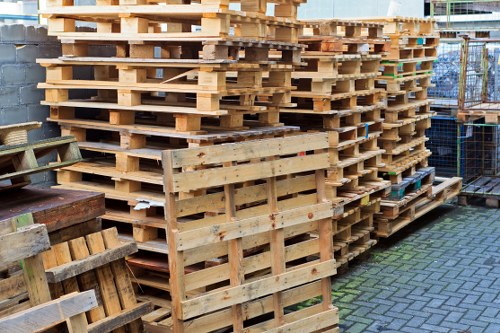 Central London boroughs take a pragmatic approach to waste separation and we align to that. In line with many local authority practices across Westminster, Camden and neighbouring boroughs, we separate at source into streams such as:
- Paper and cardboard
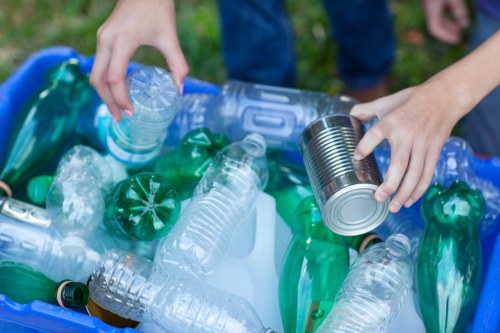
- Mixed recycling (plastic & cans)
- Glass
- Food waste where present
- Textiles and bulky items for reuse
Local transfer stations and licensed recycling centres
We route materials through licensed local transfer stations and civic recycling centres that serve central London. Our logistics plan prioritises facilities that specialise in reuse and material recovery — for example, borough recycling depots in Camden and Westminster and regional processing facilities accessible from Covent Garden. These transfer stations are a key part of the eco-friendly waste disposal area network: they accept segregated loads, divert reusable furniture to social enterprises, and consolidate recyclables for specialist processors.To reduce cross-contamination we pre-sort onsite. Where items are suitable for redispatch, they are sent to charity partners (see below) or reuse depots; other materials are taken to specialist recyclers for metal, wood, glass, and WEEE (electricals). We maintain documentation of destinations and weights to support borough reporting and our own sustainability metrics.
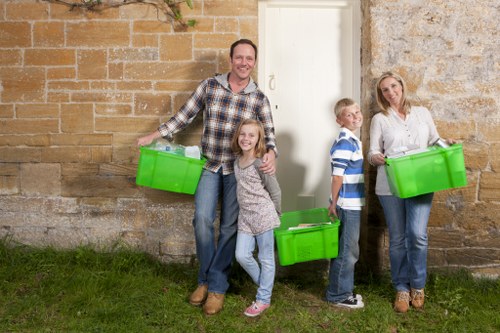 We maintain formal partnerships with charities and social enterprises to keep useful items in circulation. Partnerships with charities include furniture reuse charities, clothing redistribution charities, and organisations that refurbish appliances. Examples of types of partners we work with are:
- Furniture reuse groups (local branches and national networks)
- Textile and clothing charities accepting wearable items
- Appliance refurbishers and accredited WEEE collectors
Low-carbon fleet and route optimisation
Our transport strategy supports a low-impact clearance model. We operate a mix of electric vans and ultra-low-emission vehicles for most inner-city runs and reserve internal-combustion vehicles only where load or access constraints require. Low-carbon vans are deployed for short runs and last-mile collection to reduce urban emissions, and we use cargo bikes and hand-delivery options where street access is restricted. Route optimisation software minimises vehicle mileage and idle time, cutting emissions further.On larger jobs we bring hybrid vehicles with Euro6 engines and, where feasible, coordinate multi-drop collections to local transfer stations to keep central London traffic and emissions down. All vehicles are maintained to the highest emission standards and we log fuel and energy use as part of our sustainability reporting for the Covent Garden area.
Creating a sustainable rubbish area starts on-site: our teams set up an organised clearance footprint with labelled containers, dedicated zones for hazardous items, and clear signage to ensure correct material flows. Hazardous waste, batteries and specialist materials are segregated and transported only to licensed handlers to protect civic infrastructure and recycling streams.
 Recycling targets and continuous improvement
We monitor performance against our public recycling percentage target and use continuous improvement to raise diversion rates. Year-on-year goals include improving the quality of sorted streams, expanding charity partner networks and increasing the proportion of appliances refurbished. Collaboration with borough waste teams helps us stay aligned with evolving local policies on separation and disposal, ensuring our Covent Garden clearances remain compatible with municipal collections.
Recycling targets and continuous improvement
We monitor performance against our public recycling percentage target and use continuous improvement to raise diversion rates. Year-on-year goals include improving the quality of sorted streams, expanding charity partner networks and increasing the proportion of appliances refurbished. Collaboration with borough waste teams helps us stay aligned with evolving local policies on separation and disposal, ensuring our Covent Garden clearances remain compatible with municipal collections.